My Hero Comic PNG: A Bold Choice for Embroidery Projects
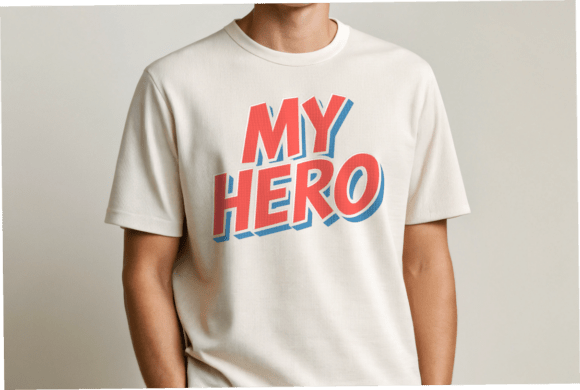
When I first pulled up the My Hero Comic PNG on my screen, the immediate reaction wasn't just about the graphic itself, but about the potential energy it carries. As a designer who spends half their life staring at digitized files and the other half wrestling with thread tension, I look for designs that translate well from a flat digital image to a textured, stitched reality. This specific graphic, with its bold, retro comic book style font and classic 3D effect, screams personality. It feels like something you'd see on the cover of a vintage superhero issue, full of action and dynamism. But the real question for us as embroidery professionals is: how does this visual punch hold up when we start punching holes in fabric with needles?
The Visual Impact and Stitching Potential
The core appeal of My Hero Comic PNG lies in its typography. The lettering is thick, blocky, and exudes confidence. In the world of machine embroidery design, bold fonts are often a safe bet because they provide ample surface area for fill stitch coverage. Thin, delicate scripts can be nightmares on textured fabrics, but a design like this offers a robust foundation. The "3D effect" mentioned in the description suggests depth, which in embroidery terms usually translates to excellent opportunities for layering or using contrasting thread colors to create shadow and highlight.
If you are considering this for a custom apparel line, imagine this on a heavyweight cotton sweatshirt. The retro vibe pairs perfectly with the casual, cozy feel of fleece. For an Etsy seller looking to capitalize on Father's Day or military appreciation themes, this design hits the emotional note of celebrating a "personal champion." It's not just a pretty picture; it's a statement piece. However, before you commit to stitching this onto a client's favorite hoodie, you need to think about how that 3D illusion will be achieved. Will you rely on color shading, or will you incorporate a satin stitch border to make the letters pop off the fabric? The source file is a PNG, meaning it is a raster image. To use this effectively as an embroidery file, it must be professionally digitized. You cannot simply import a PNG into your machine and expect magic; the quality of the final finished product depends entirely on the digitizer's ability to interpret those comic-book contours into precise stitch paths.
Real-World Application: The Custom Tote Scenario
Let's walk through a realistic scenario. Suppose you run a small shop product line focused on eco-friendly goods, and you want to create a limited run of tote bags for a local school fundraiser. You choose the My Hero Comic PNG concept to honor the teachers. A canvas tote bag is an ideal candidate because the fabric is stable and has a tight weave, which supports dense stitching well.
In this context, the bold nature of the design works in your favor. Canvas can handle a higher stitch density without puckering, allowing you to really fill in those block letters with rich, vibrant thread. If you were to attempt this on a thin, stretchy jersey knit without proper stabilization, the heavy fill stitches could cause the fabric to warp, ruining the crisp lines of the comic font. By choosing the right substrate, you ensure the "heroic" feel remains intact. Furthermore, for a teacher gift, the durability of the stitch matters. These bags will be thrown in washing machines repeatedly. A design with large, solid areas of stitching, if done correctly with good underlay, will withstand wear and tear better than intricate, sparse details.
Navigating Fabric Textures and Hoop Constraints
While the design is versatile, there are constraints to consider. If you plan to use this on curved surfaces, such as a baseball cap, you need to be mindful of the hoop size and the layout. Comic book fonts often have wide aspect ratios. Fitting a long phrase into a standard cap hoop might require scaling the design down, which risks losing the clarity of the smaller details or the effectiveness of the 3D shading. On a cap, the fabric is already structured, but adding heavy embroidery can sometimes cause the front panel to bow if the stabilizer isn't substantial enough.
Texture is another critical factor. If you are aiming for a rustic look using linen or a slubbed fabric for a holiday embroidery project, remember that the texture of the fabric will show through the stitches. With a bold design like My Hero Comic PNG, this might actually add a cool, vintage distressed look that enhances the retro theme. However, if you are going for a sleek, modern boutique branding look on a smooth performance polyester, you will need a high-quality cut-away stabilizer to ensure the edges of the letters remain sharp and don't get lost in the fabric grain.
Commercial Viability and Brand Consistency
For craft business owners and creative entrepreneurs, the value of a design isn't just aesthetic; it's about brand consistency and customer trust. Using a cohesive visual language helps buyers recognize your work. If your brand is all about fun, nostalgic, and empowering messages, this design fits right in. It serves as a strong design asset for creating printable mockups to test market interest before you even stitch a single thread. You can visualize how it looks on a baby onesie (perhaps for a "little hero"), an apron for a grill master, or a pillow cover for a nursery.
However, a word of caution regarding licensing and file types. Since the product is listed as a PNG under T-Shirt Designs and Graphics, it is crucial to verify the license terms before selling finished items. Some graphic licenses allow for personal use only, while others permit commercial application on physical goods but prohibit reselling the digital file itself. Always confirm whether you need to purchase an extended license for commercial embroidery projects. Additionally, since this is a graphic and not a pre-digitized embroidery file, you must ensure you have the rights to convert it into a stitch file or hire a digitizer to do so legally.
Practical Notes for the Studio
Before launching this design into production, here are a few practical steps I recommend:
- Test on Scrap First: Never skip the stitch-out test. Use the exact fabric and stabilizer combination you plan to use for the final product to check for puckering or registration issues.
- Check Color Contrast: The 3D effect relies on contrast. Ensure your chosen thread colors provide enough distinction between the main face of the letters and the shadow elements.
- Review Density: If the digitized version feels too stiff, ask your digitizer to reduce the fill density or use a lighter weight thread.
- Inspect Small Details: Look closely at the corners of the letters. Sharp angles in comic fonts can sometimes result in bird-nesting if the turn commands aren't programmed correctly.
- Mockup Verification: Create black and white mockups to ensure the design reads well even without color, which is a good test of its structural integrity.
In conclusion, My Hero Comic PNG offers a fantastic starting point for creating engaging, personalized gifts and merchandise. Its bold personality makes it a standout choice for anyone looking to celebrate a hero in their life. With careful attention to digitization, fabric selection, and stabilization, this design can transition from a cool graphic on a screen to a cherished, tangible piece of art that stands the test of time and wash cycles. Whether you are making a one-off gift or building a collection for your online store, this design has the chops to deliver a professional, eye-catching result.